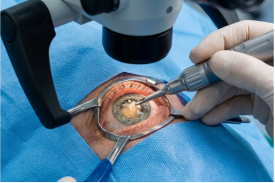
Phacoemulsification (Cataract Surgery)
Phacoemulsification is an advanced cataract surgery technique used to remove the cloudy natural lens of the eye and replace it with a clear artificial intraocular lens (IOL). This helps restore sharp and clear vision.
The procedure is minimally invasive and performed using ultrasound technology. It is quick, safe, and allows faster healing compared to traditional cataract surgery methods.
- Small incision, stitch-free procedure
- Quick recovery with minimal discomfort
- Improved clarity and brightness of vision
- Advanced lens options available
- Safe and effective treatment
Benefits & When Cataract Surgery is Recommended
Learn how cataract surgery improves vision and when it becomes necessary.
Key Benefits
- Clear and sharper vision
- Improves color perception
- Quick outpatient procedure
- Long-lasting results
- Better night vision
- Enhances daily life quality
Common Signs
- Blurred or cloudy vision
- Glare or halos around lights
- Difficulty seeing at night
- Faded or dull colors
- Frequent change in glasses
- Sensitivity to bright light
Who Should Consider?
- People with diagnosed cataract
- Vision affecting daily activities
- Difficulty in reading or driving
- Older adults with cloudy vision
- Reduced night visibility
- Anyone advised by eye specialist